As colder weather sets in, many households turn to alternative heat sources to stay comfortable indoors. While these options can provide relief from low temperatures, they also carry safety risks if not used properly. Fire officials and safety experts urge residents to take precautions to protect their homes and families during the winter months.
Space Heater Safety
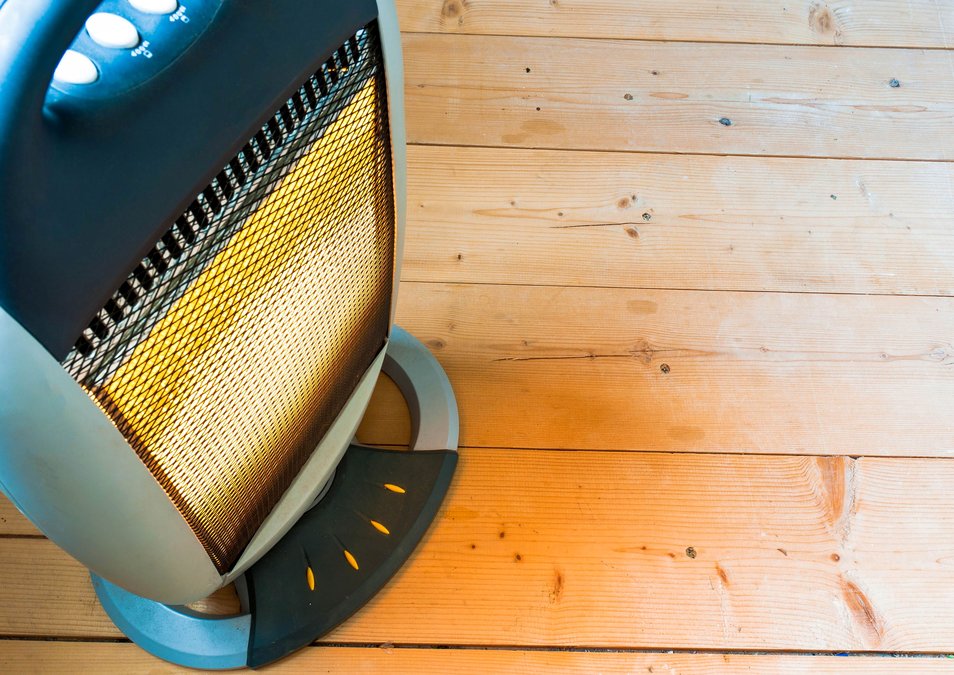
Portable space heaters are a common source of supplemental heat, but they are also a leading cause of residential fires. According to the U.S. Consumer Product Safety Commission, space heaters are responsible for more than 25,000 home fires each year, resulting in more than 300 deaths.
To reduce the risk of fire or injury, safety officials recommend never leaving a space heater unattended or operating one around young children or pets. Heaters should be placed on level, hard, nonflammable surfaces and kept at least three feet away from combustible materials such as furniture, bedding, and curtains. Residents are also advised not to plug additional electrical devices or extension cords into the same outlet as a space heater, as this can lead to overheating.
Fireplace Precautions
Fireplaces can add warmth and comfort on cold nights, but they require proper operation to remain safe. Flammable materials should be kept away from the fireplace opening, and a glass or metal screen should be used to prevent sparks from escaping. Fires should never be left burning unattended, including overnight or when leaving the home.
Before lighting a fire, homeowners should ensure the damper or flue is open so smoke and gases can vent properly. Chimneys should be inspected and cleaned annually to reduce the risk of chimney fires and ensure safe operation.
Carbon Monoxide Awareness
Carbon monoxide (CO) is a colorless, odorless gas produced by burning fuel and can be deadly if inhaled in high concentrations. To protect against carbon monoxide poisoning, residents are encouraged to install carbon monoxide detectors in their homes, particularly near sleeping areas. Like smoke detectors, carbon monoxide detector batteries should be replaced every six months.
Fuel-burning appliances such as gas furnaces, stoves, and water heaters should be properly installed and regularly maintained, as malfunctioning equipment can produce dangerous levels of carbon monoxide. Safety officials stress that cooking appliances, including ovens and stovetops, should never be used to heat a home. Generators, propane heaters, barbecues, and charcoal grills should also never be used indoors due to the risk of carbon monoxide buildup.
As a reminder, California law requires all single-family homes to be equipped with carbon monoxide detectors, a regulation that has been in effect since 2011.
Residents can learn more about carbon monoxide risks through PG&E’s Safety Action Center. Anyone who suspects an issue with a natural gas appliance is advised to contact PG&E at 1-800-743-5000.